Motorcycling is more than just a mode of transportation—it’s a lifestyle, a passion, and for many, a thrilling adventure. But with that thrill comes inherent risks. As any seasoned rider will tell you, being aware of your surroundings and anticipating potential hazards are key components of staying safe on the road. One critical skill that often goes overlooked by novice riders is having an “escape path.”
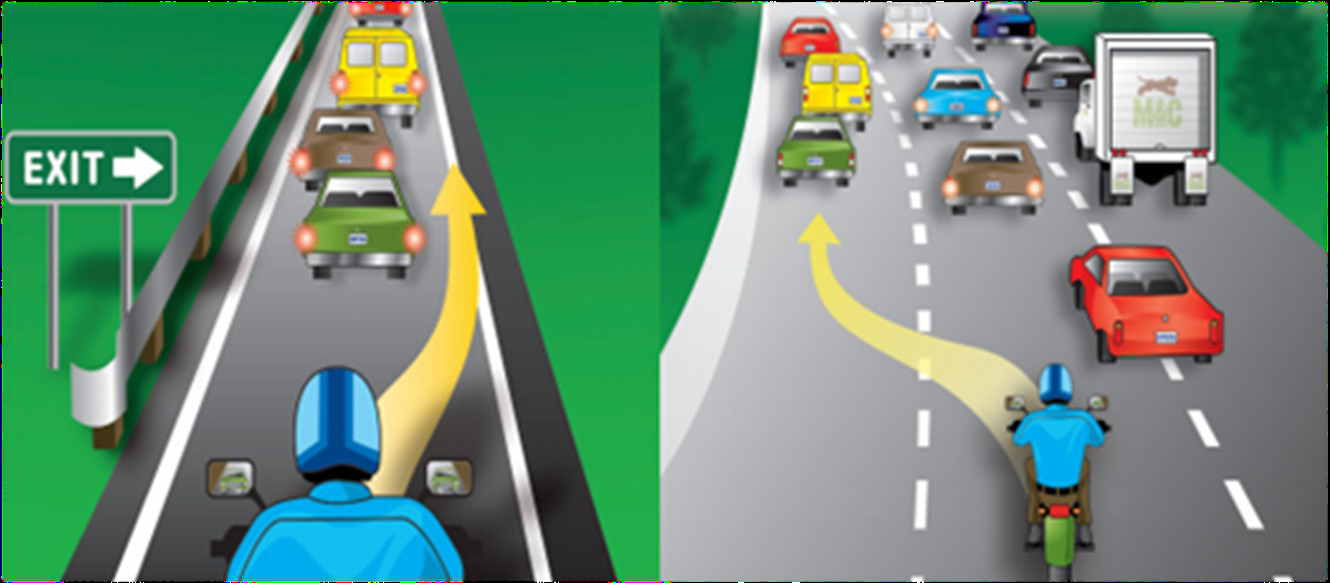
The Motorcycle Safety Foundation (MSF) teaches us that an escape path is a pre-planned route or area that allows you to avoid a collision or other dangerous situation. It’s not just about reacting to danger—it’s about anticipating it before it even happens. Escape paths are essential, and need to be incorporated into your riding strategy.
Why Are Escape Paths Important?
Unlike cars, motorcycles lack the protective shell of a chassis. A minor collision for a car can be catastrophic for a motorcyclist. Escape paths provide a lifeline, giving you an opportunity to steer clear of potential hazards and to avoid accidents altogether.
Here are a few scenarios where escape paths can save the day:
- Sudden Stops: The vehicle in front of you slams on its brakes unexpectedly. Having a clear space to maneuver can prevent a rear-end collision.
- Lane Mergers: A car suddenly merges into your lane without signaling or noticing you. An escape path can help you avoid being sideswiped.
- Debris on the Road: Objects like fallen branches or loose gravel can appear out of nowhere. Spotting an escape route allows you to navigate around them safely.
- Tailgating Drivers: If a vehicle is following too closely, an escape path can prevent you from being sandwiched in the event of a sudden stop.
Identify Escape Paths
Escape paths are everywhere if you know where to look. Here are some tips to help you spot them:
- Scan Ahead: Always keep your eyes on the road ahead. Look for open spaces or gaps in traffic that you can use as an escape route.
- Maintain a Buffer Zone: Leave enough space between you and the vehicle in front of you. This space isn’t just for stopping—it’s also an escape area.
- Use Your Mirrors: Continuously monitor what’s happening behind and beside you. An escape path can be to your left, right, or even behind you.
- Look for Shoulders and Exits: In emergency situations, the road shoulder or an off-ramp can act as a last-resort escape path.
- Identify Safe Zones in Intersections: When approaching intersections, be aware of areas where you could steer clear of a vehicle running a red light or making an illegal turn.
Using Escape Paths Effectively
Having an escape path in mind is one thing—using it effectively is another. Here’s how to make the most of this potential life-saving strategy:
- Practice Situational Awareness: Always be aware of your surroundings. Constantly scan the road, other vehicles, pedestrians, and any potential hazards.
- Stay Predictable: Avoid sudden movements unless absolutely necessary. Signal your intentions and ensure your escape path doesn’t put other road users in danger.
- Keep Your Speed in Check: Riding at a manageable speed gives you more time to react and increases the likelihood of successfully using an escape path.
- Train Your Reflexes: Practice emergency maneuvers in a safe, controlled environment. The more comfortable you are with swerving or braking, the more effectively you’ll be able to use an escape path in real life.
- Expect the Unexpected: Assume other road users may make sudden, unpredictable moves. This mindset will keep you on high alert and prepared to act.
Real-Life Example
Imagine you’re riding on a busy highway when a large truck in front of you suddenly loses a piece of unsecured cargo. In that split second, your escape path could be the difference between a smooth swerve to the left lane and a dangerous collision. Riders who regularly assess their surroundings and identify escape paths are far more likely to come out of such situations unscathed.
Conclusion
Motorcycling is as much about skill as it is about awareness. By incorporating escape paths into your riding strategy, you’re not just reacting to dangers—you’re staying ahead of them. Whether you’re a novice or a seasoned rider, making escape paths a habit can transform you into a safer, more confident motorcyclist. Remember to ride defensively, and assume other drivers are unaware of your presence, and be prepared to react accordingly.