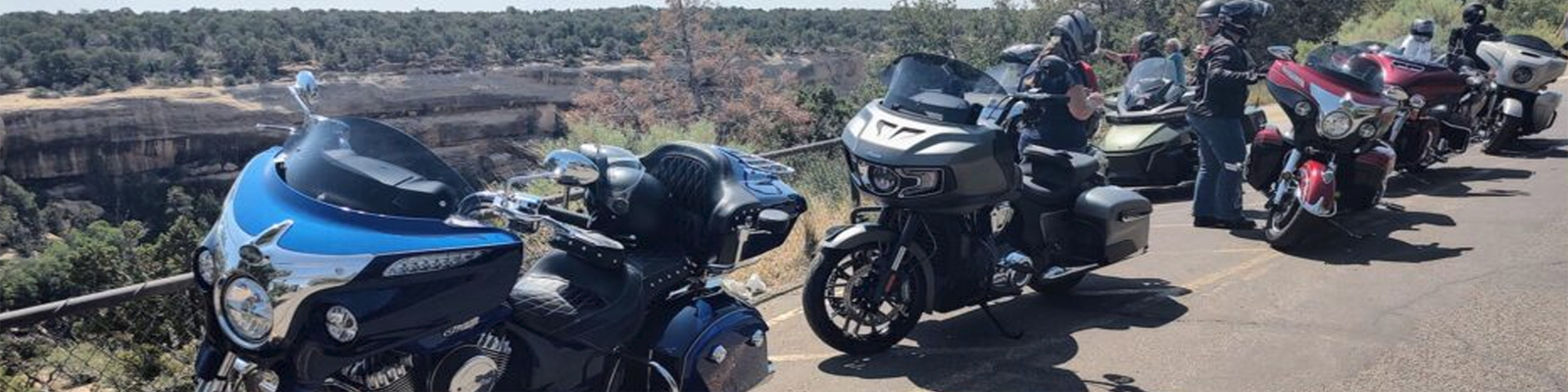
There is a fundamental difference between a weekend “twisties” run and the grueling endurance of a long-distance motorcycle tour. When the goal isn’t just the destination, but hundreds of miles of asphalt between here and there, the game changes. Motorcycle touring is a test of preparation, physical stamina, and mental fortitude.
Whether you’re planning your first cross-state trip or aiming for a multi-state cross-country tour, there are some things to keep in mind to stay comfortable, safe, and inspired on the open road.
Preparation: Beyond the Machine
While your bike needs to be ready, you need to be ready too. Long-distance riding is an athletic endeavor requiring both stamina and familiarity with your setup.
- Build Your Mileage Base: If you typically only ride 30-40 miles, jumping into a 400-mile day can be a recipe for a physical meltdown. Start with 100-mile loops and incrementally work your way up to build saddle time endurance, and to help condition your muscles for the unique attributes and vibrations of the bike.
- The T-CLOCS Inspection: Perform a rigorous check of Tires, Controls, Lights, Oil/Fluids, Chassis, and Stands.
- Test Your Luggage: Don’t let the first day of your tour be the first time you ride with fully loaded trunks and saddlebags. Weight changes your braking distance and cornering. Practice riding with your full kit to refine your suspension settings and balance.
- Riding Fitness: You don’t need to be a marathon runner, but core strength and cardiovascular health significantly reduce fatigue. Specifically, focus on building muscular endurance in your legs and core. This ensures you don’t wear out from the constant physical work of maneuvering a heavy, luggage-laden machine through slow-speed turns, parking lots, and technical mountain passes. A fit rider stays alert longer and recovers faster from the physical toll of wind and vibration.
Essential Gear and Ergonomics
On a long trip, you can encounter four seasons in a single week. Versatility and comfort are your best friends.
- The Helmet & Ear Protection: A full-face or modular helmet will help to shield you from wind blast and environmental fatigue. Adding in a Pinlock insert will act as a dual-pane window to prevent visor fogging in rain or cold. High-quality earplugs will block constant wind noise and is the single most effective way to prevent the mental “brain drain” that sets in after hours of riding on the road.
- Ergonomic Tweaks: Consider a windshield to reduce “wind buffet,” highway pegs to stretch your legs, or a seat pad. Small changes in your seating position make massive differences after eight hours in the saddle.
- Hydration Packs: Don’t wait for a gas station. A hydration bladder or water bottle allows you to sip water constantly, preventing the “brain fog” that comes with mild dehydration.
The Mental Game: Efficiency vs. Speed
The quickest riders aren’t necessarily the ones going the fastest. They are the ones who are the most consistent.
- Bank Time, Not Speed: Aim for a steady, sustainable pace. Speeding increases stress and fuel consumption, leading to more frequent stops. By maintaining consistency and keeping your breaks short and “time-efficient,” you’ll cover more ground with less exhaustion.
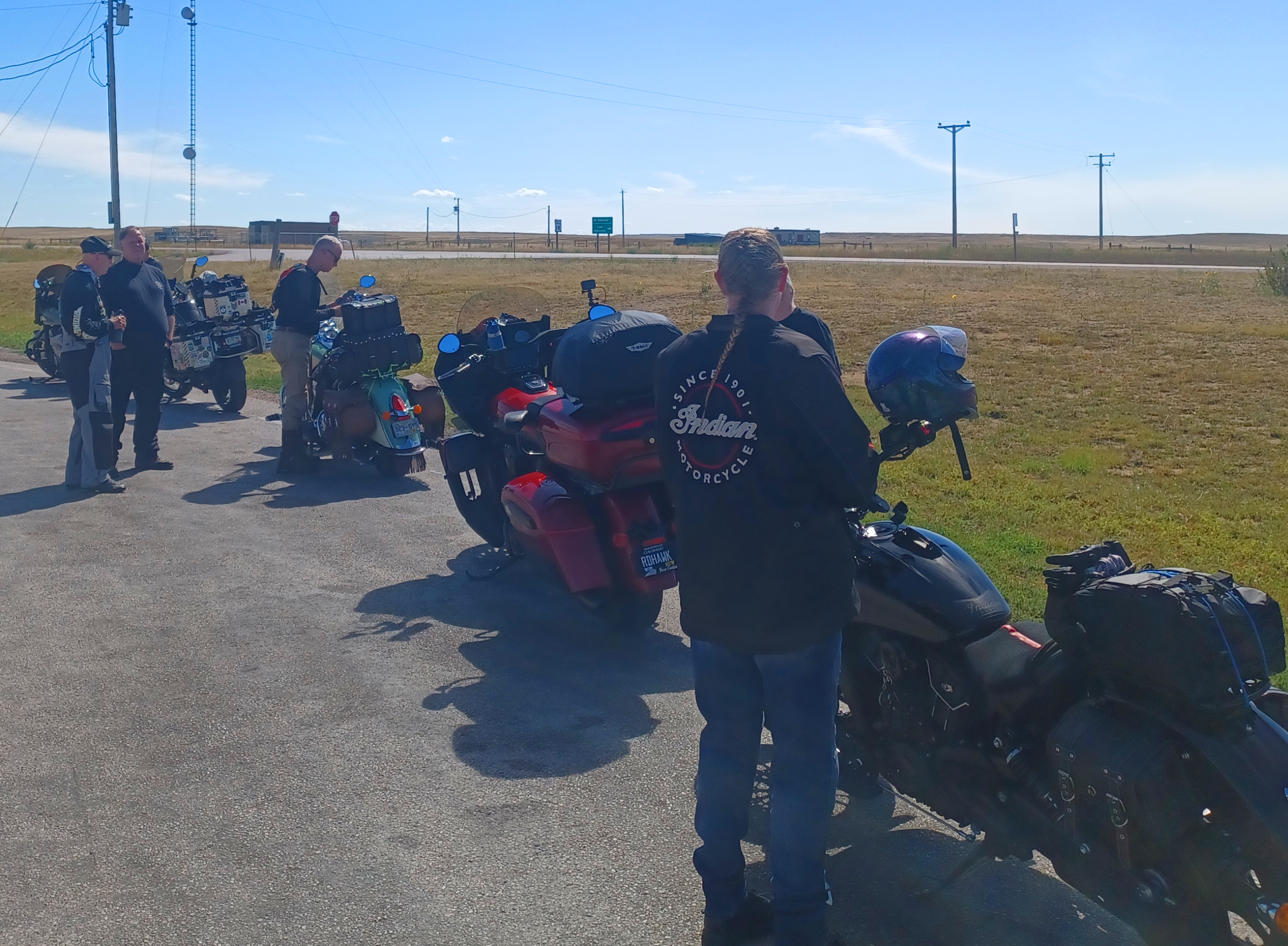
- The 90-Minute Rule: Stop every 60 to 90 miles. Use these breaks to walk around, stretch, and reset your focus. If you start to feel sluggish, a quick “visor-up” moment to let fresh air hit your face can provide a temporary reset. Don’t drag out your breaks. The longer you’re off the bike, the less you want to get back on it. Keep breaks short to maintain touring mentality and momentum.
- Early Starts: Set off early in the morning hours. You are freshest and most enthusiastic in the morning. Starting early gives you some wiggle room for unexpected detours or mechanical issues, and helps to ensure you are off the road before sunset when animal activity increases or becomes more difficult to see.
Nutrition and Chemical Management
What you put in your body dictates how your brain handles the road.
- Small, Frequent Meals: Avoid the “food coma” triggered by heavy, starchy meals like burgers and fries. Stick to light, high-protein snacks such as nuts, jerky, or fruit to keep your blood sugar stable.
- Strategic Caffeine: Caffeine is a tool, not a food group. If you over-consume it early, you’ll crash by mid-afternoon. Save the espresso hit for when you truly feel your focus waning to get the maximum benefit.
- Electrolytes: If you’re sweating in your gear all day, water alone isn’t enough. Use soluble electrolyte tablets to replace lost salts and prevent muscle cramping.
Logistics and Safety
- Low and Centered: Pack heavy items at the bottom of your saddlebags to maintain a low center of gravity.
- “Emergency” Access Items: Keep your rain suit, first-aid kit, and tools in an easy to access location for immediate access. Don’t make it so you have to unpack your saddlebags or luggage to reach.
- Navigation Redundancy: GPS is a powerful tool, but it can lose signal in canyons or remote areas. Download your maps locally on your phone or GPS device before you leave. Additionally, consider carrying a physical paper map and memorize the “bigger picture” of your route to maintain a sense of direction if your electronics fail.
- Ride Your Own Ride: Never feel pressured to keep up with a faster riding buddy. Pushing your limits leads to errors. The goal is always to arrive safely.
Final Thoughts
Long-distance touring is as much a meditation as it is a sport. When the visor goes down and the engine hums at a steady rhythm, the world’s noise fades away. You aren’t just observing the landscape, you are in it.
Prepare well, prioritize consistency over speed, and remember – the best stories rarely come from the days when everything went perfectly. They come from the detours, the mountain passes, and the miles in between.
Safe travels and keep the shiny side up.