If you ride, you probably love a road trip. It’s the long stretch of highway, the changing scenery, the early morning starts, and the late dinners, the friends beside you, gas station stops where everyone swaps stories, and the tales you’ll still be telling long after the adventure ends. We love road trips, and it’s easy to see why.
Most of us have also learned that the best trips don’t just happen. A little planning is the difference between a trip you remember fondly and one you remember for the breakdown, the soaking rain, or the 500-mile day that wasn’t worth it. There are a few small choices to help you spend less time worrying and more time enjoying the ride.
Start in the Garage, Not on the Highway
The best time to find a problem is before you leave. Get the bike serviced well before the start of the trip. Fresh oil, a close look at tire wear and pressures, brake pads and fluid, chain or belt condition, coolant, battery, and lights all deserve attention. If a tire is borderline, replace it now. Nobody has ever regretted new rubber before a long ride.
Give yourself plenty of time. If the shop finds something, you want to be able to fix it without cancelling the trip.
Pack Light, Pack Smart
Most of us bring too much. Think layers instead of outfits. A moisture-wicking base layer, a mid-layer, and a good riding jacket cover a surprising range of temperatures. Add a few pairs of quick-dry socks and underwear, a casual change of clothes for dinner, and something to sleep in. Roll your clothes, put the heavy items low and centered, and keep the things you’ll want during the day (sunglasses, gloves, snacks) somewhere you can reach without unpacking everything.
What to Bring
Beyond clothes, a short list does most of the work:
- Phone, charger, and a mount or power source for the bike
- Paper map or downloaded offline maps, since cell service often disappears when traveling
- Registration, insurance card, license, national park pass, and a little cash
- Earplugs, a spare pair of riding glasses, and sunscreen
- A water bottle or hydration pack, and electrolytes
- Rain gear, even if the forecast looks clear
Emergency Supplies
You’ll probably never need these, but they’re what makes a bad day manageable.
Carry a tire repair or plug kit and a compact air pump or CO2 inflator. Add a basic tool kit that fits your bike, a tire pressure gauge, zip ties, and duct tape. A small first aid kit, a flashlight or headlamp, a fully charged power bank, and a roadside assistance membership with motorcycle coverage. Write down an emergency contact and any medical information and keep it somewhere a first responder would find it.
Check Your Bike Every Morning
It takes only a few minutes, and it’s the habit that separates seasoned riders from lucky ones. Before you load up each day, walk around the bike. Check tire pressure and look for nails or damage. Look under the bike for drips. Check the oil level, test the lights and turn signals, and make sure nothing has loosened. Give the chain or belt a glance and test your brakes before you roll out.
Vibration is relentless over hundreds of miles, and bolts that were tight yesterday may not be today.
Expect the Weather to Change
Mountains and plains make their own rules, and Colorado riders know it. A warm morning can become a cold, wet afternoon without much warning. Check the forecast each morning and again at lunch, and keep your rain gear and an extra layer easy to reach. Cold and wet are real enemies because they dull your reaction time long before you notice.
Be willing to change your plans. If a storm is building along your route, look for another way around it, even if it adds miles. A different road is a small price to pay for staying dry and safe.
It’s also okay to pull over and wait for rain to pass. Find a cafe, a gas station awning, or a covered spot and let the storm roll through. And if the weather settles in for the day, it’s okay to stop early, get a hotel room, and start fresh in the morning. The ride will still be there tomorrow, and you’ll enjoy it a lot more rested and dry.
Stop Often
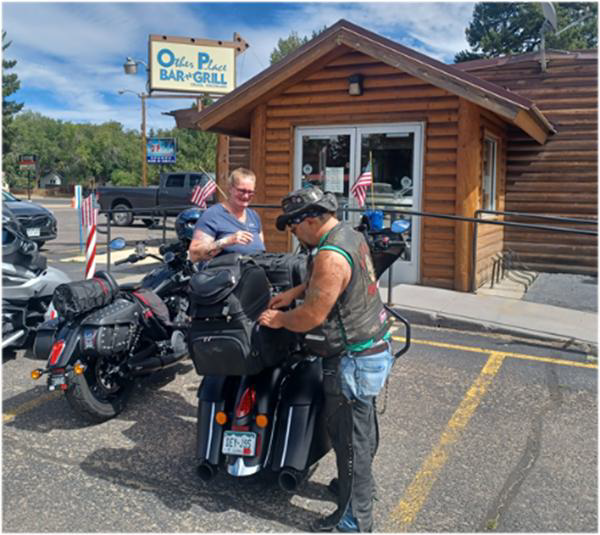
Your body gets tired before your mind admits it. Plan a break every hour or two to stretch, drink water, and to simply rest for a little while. Some of the best moments of a trip come from rest stops such as enjoying a scenic overlook or engaging in a conversation with a stranger who wants to talk about your bike.
Refuel Early and Often
Don’t gamble on the next gas station. In open country, services can be farther apart than your tank allows. A good rule is to fill up when you hit half a tank, and always when you see a station and you’re getting low. It only takes a few minutes, and allows you to rest, and it saves you from the kind of stress that ruins a day.
Be Honest About Your Miles
It’s easy to plan 500-mile days on a map. In reality, weather, construction, fuel stops, meals, and fatigue all take their toll. Most riders are happiest somewhere between 250 and 350 miles a day, which leaves room to enjoy the scenery instead of racing the sun. A day’s ride where you finish with energy left over is better than one where you are completely shattered and just want to go to bed and sleep upon arriving at your hotel.
Sleep Near Supper
When you choose a hotel, try to pick one that has a restaurant, or within walking distance of a restaurant. After a full day in the saddle, the last thing you want is to gear up again and ride in the dark for dinner. Walking to a meal lets you relax, enjoy a drink if you like, and the bike remains parked for the night.
Take Lots of Photos and Video
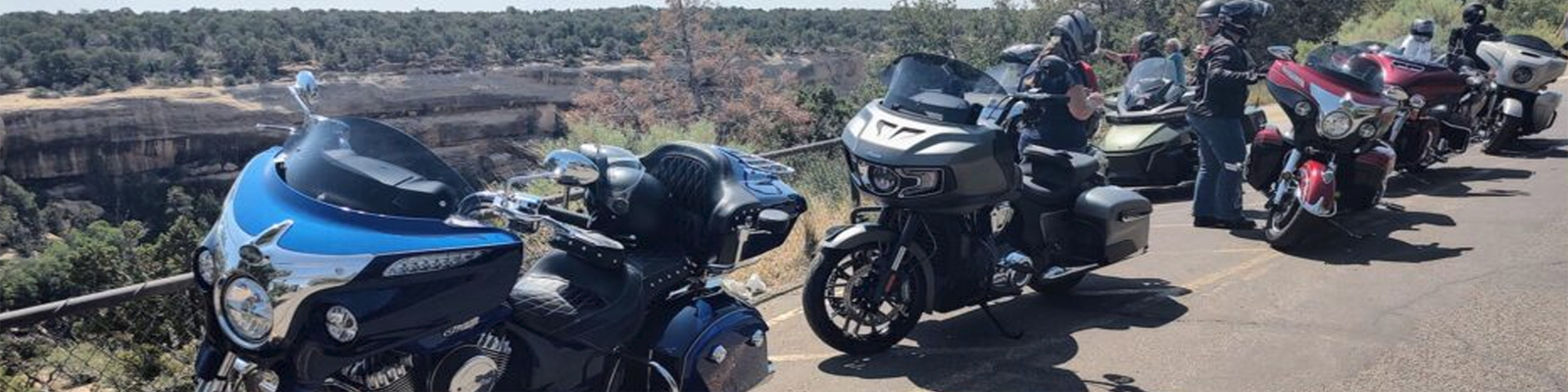
Years from now, you won’t remember the exact route, but you’ll remember how it felt. Take the photo of your bike at the overlook, the video of the scenic road ahead, the picture of your riding buddies laughing at a gas station. Capture the ordinary moments too, because those are often the ones you’ll treasure. Mount a camera if you like, but don’t spend the whole trip behind a lens. Video or take snapshots of what you need, then go back to simply enjoying the ride.